Serving Raleigh, Cary, Durham, Chapel Hill & the Greater Triangle
Grab Bar Installation Professionals
Most Grab Bars Installed in 3 hours or less!
We help aging-in-place homeowners, their families, and caregivers with grab bar selection, placement, and installation.
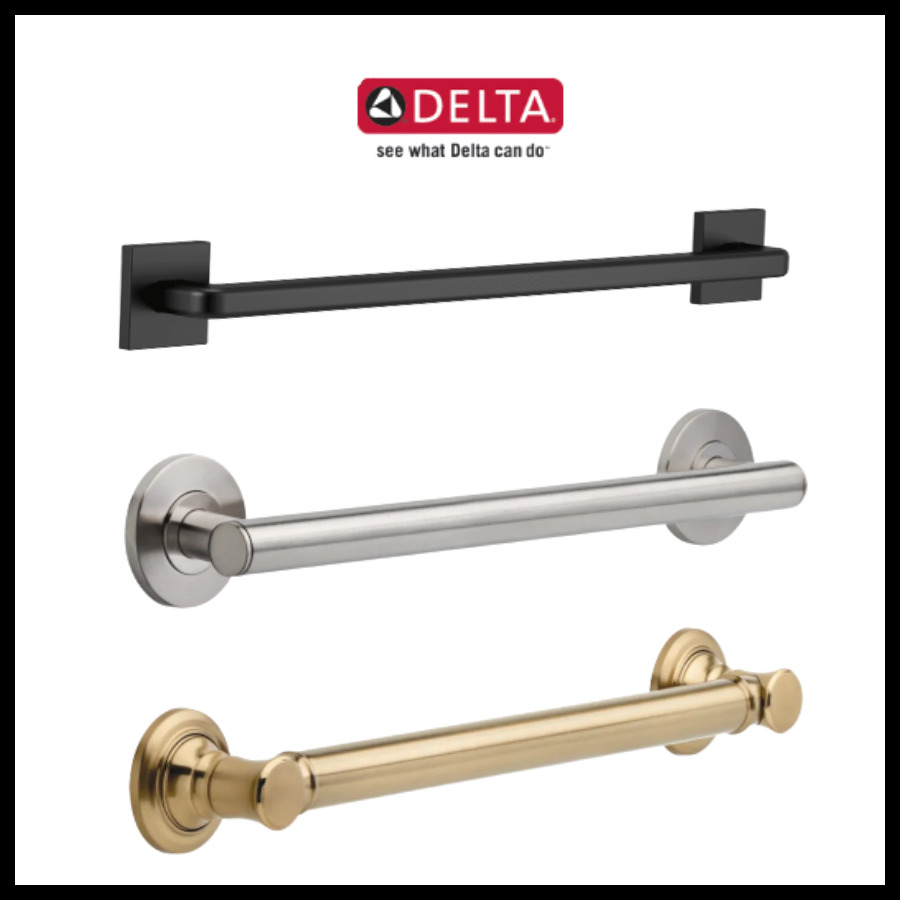
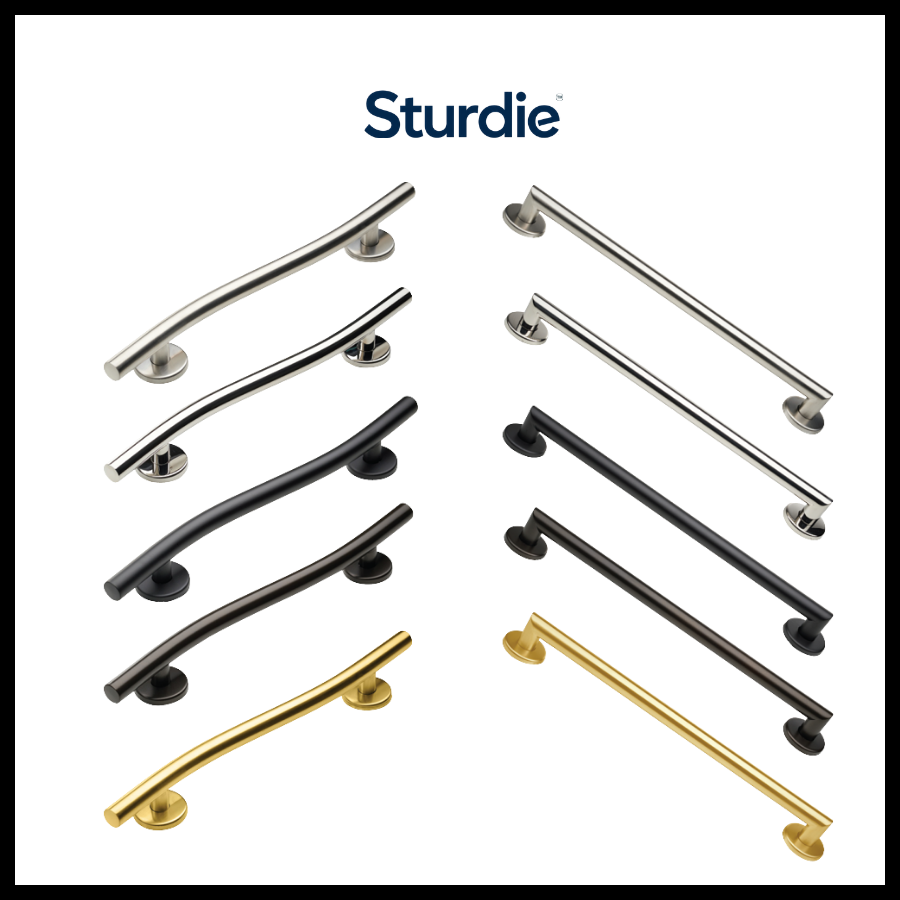
✔ Major Grab Bar Brands Available (MOEN, Kohler, Delta, Sturdie)
✔ Installation in Tile, Fiberglass, Acrylic, Drywall, Plaster, Natural Stone, & More
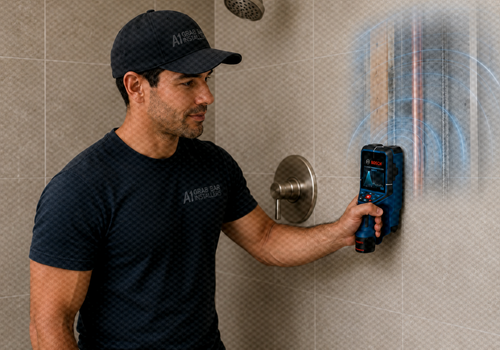
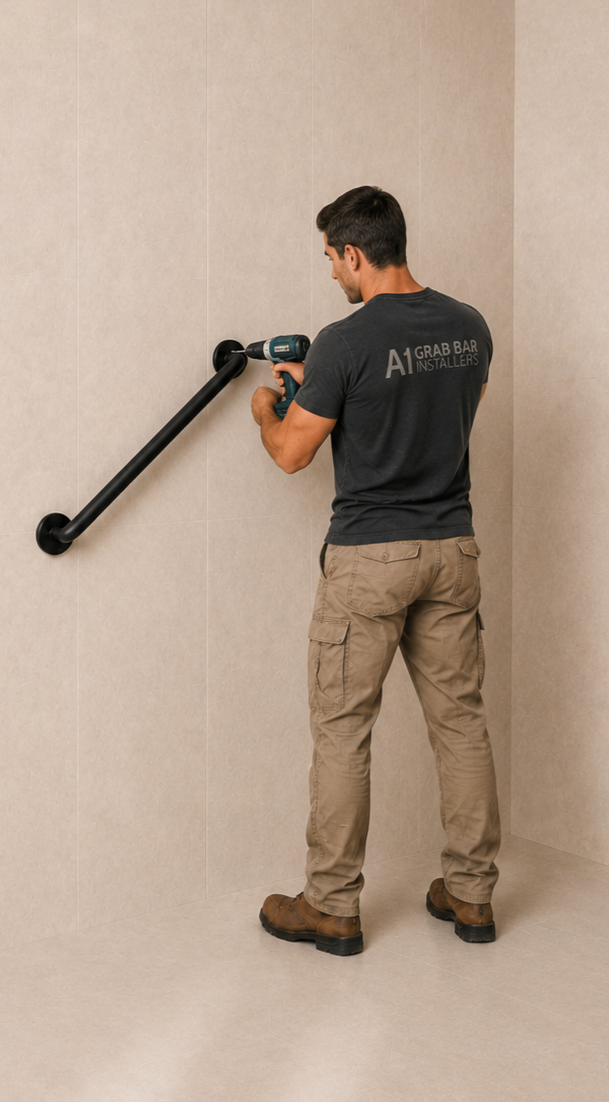
✔ Radar-Assisted Wall Scanning Before Drilling Holes (Like “X-Ray” Wall Vision)
✔ Personalized Grab Bar Placements for Each User - including Couples
✔ All Insurance Forms Accepted for Review (including Medicare and Medicaid)

Google Reviews
Where Do You Need More Support?
Shower, tub, and toilet areas are some of the most common places where extra support is needed. Professionally installed grab bars provide dependable help for standing, sitting, stepping, turning, and transferring.
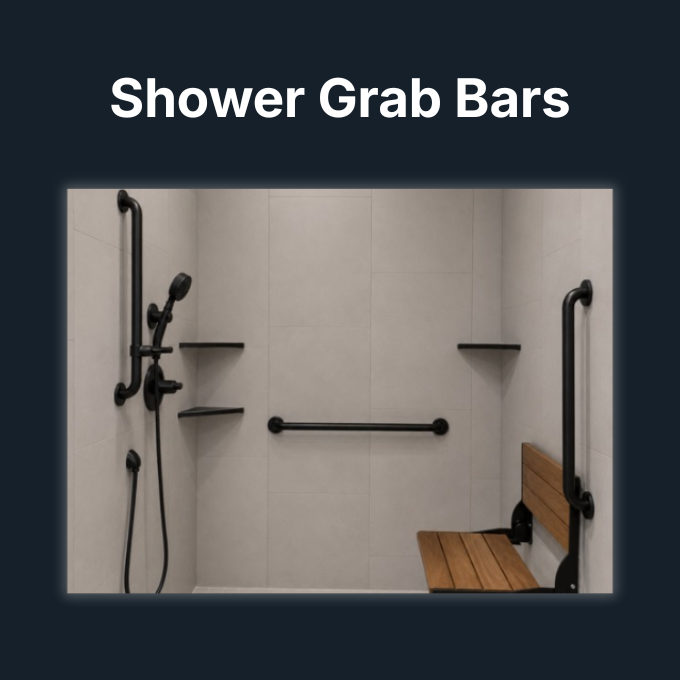
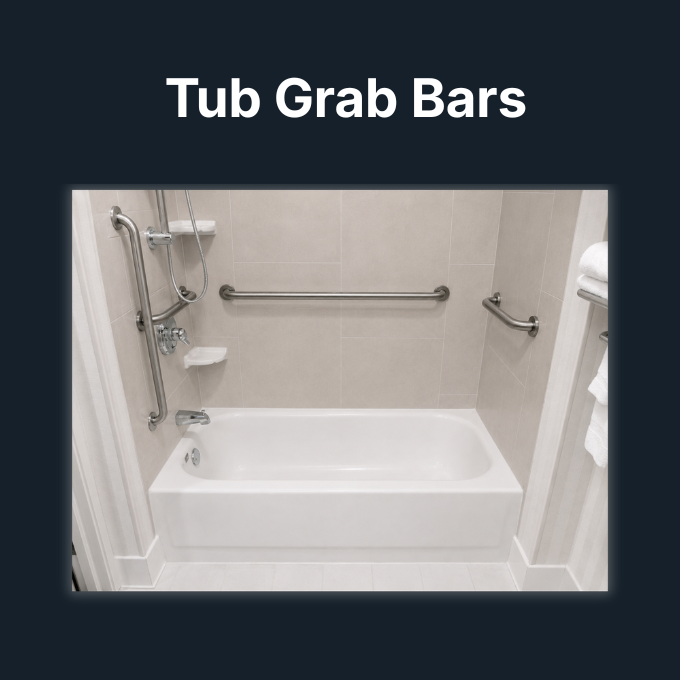
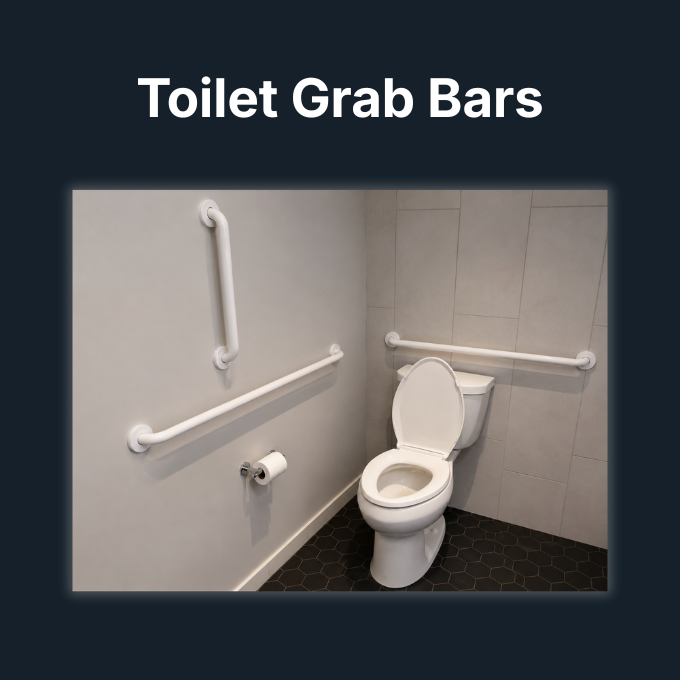
Not sure exactly what you need? Need grab bars in more than one area?
We’ll help you determine the right grab bars and placement.

HOW INSTALLATION WORKS
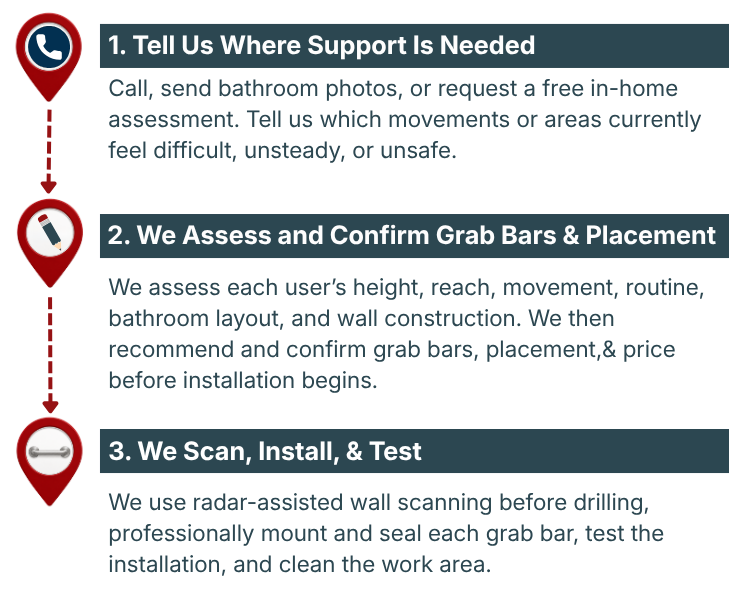
Professional Grab Bar Installation in 3 Simple Steps
Once installed, dependable support is always within reach.
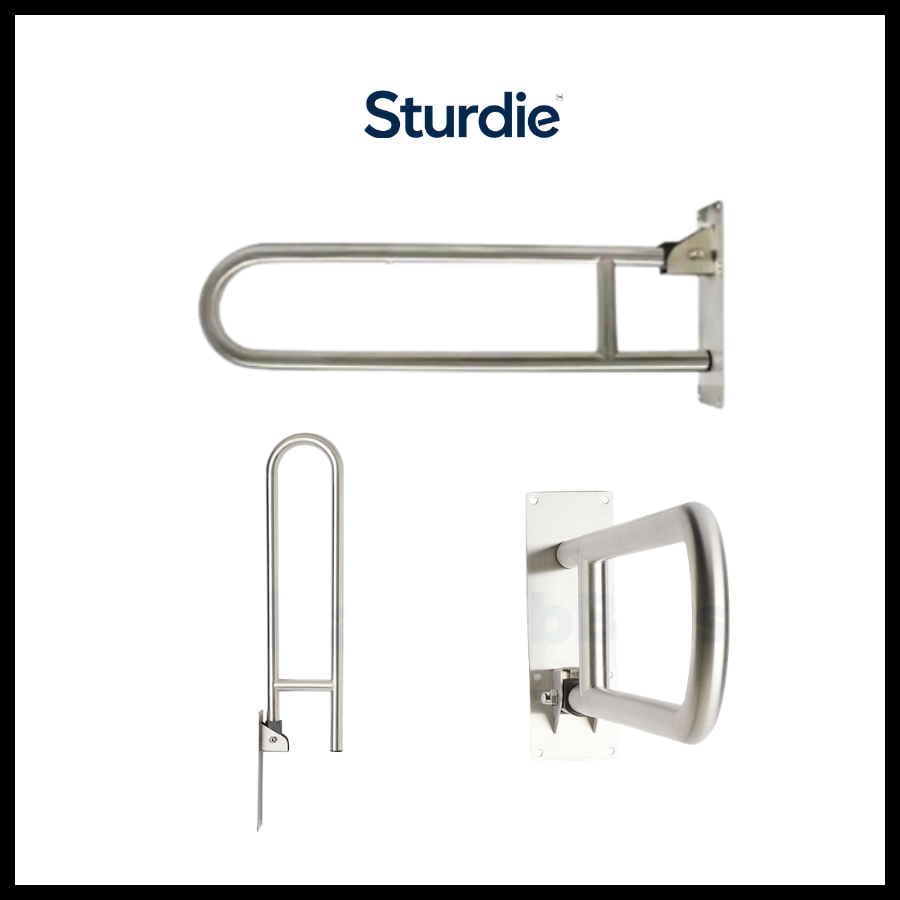
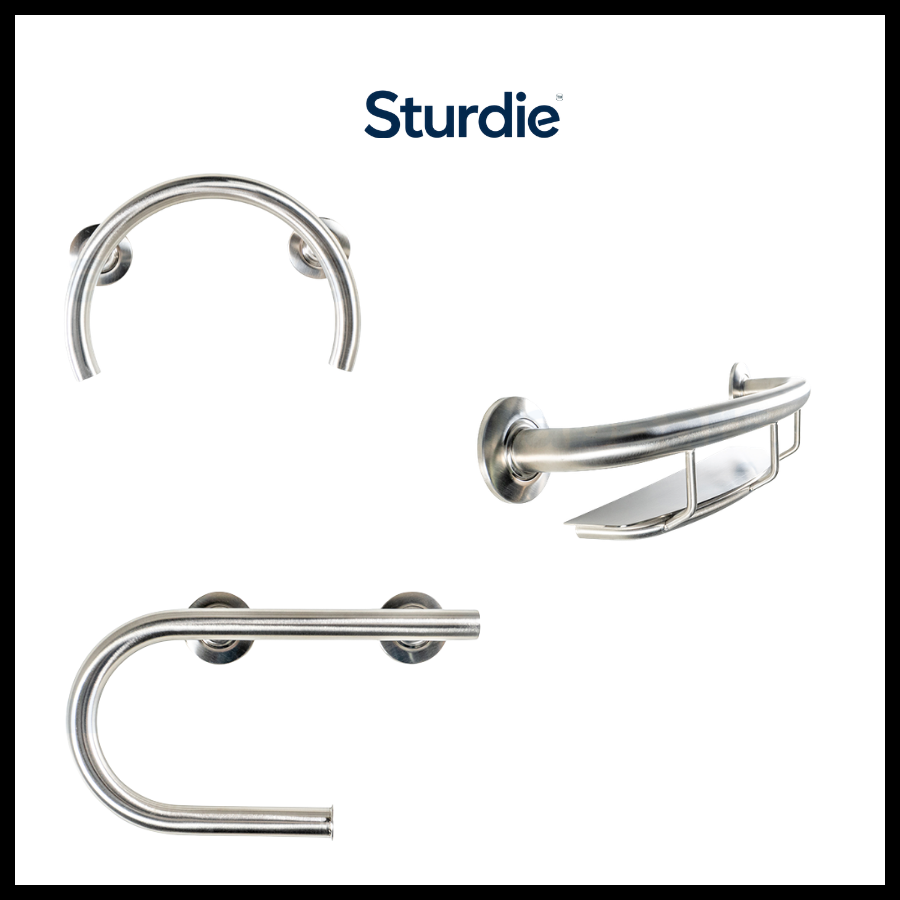
Available Brands for Your Shower Today!
Once installed, these grab bars will be there when you want to use them and always there when you need to use them!

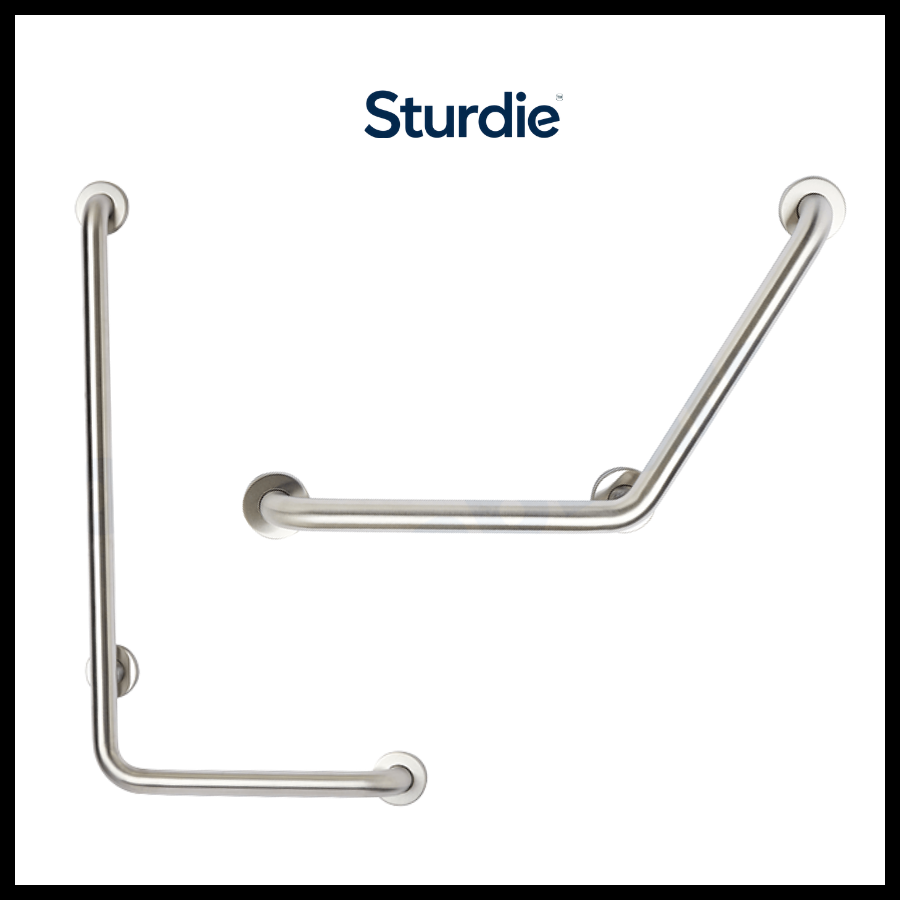
Special Use Grab Bars Available
A1 Grab Bar Installers vs. “The Local Handyman”
Top 10 Reasons Families Choose Us:
All Insurance Forms Accepted for Review
Proper Grab Bar Placement
Radar-Assisted Wall Mapping Technology
Lifetime Limited Warranty
Flexible Payment Methods
Flexible Payment Plans
Secure Anchoring
One-Day, One-Visit
Complete Clean Up
Family-Friendly Guidance
Senior-Focused Work
Live Assistance 8am to 8pm Daily!

WHAT HOMEOWNERS AND FAMILIES SAY
Trusted Support From People Who Needed It
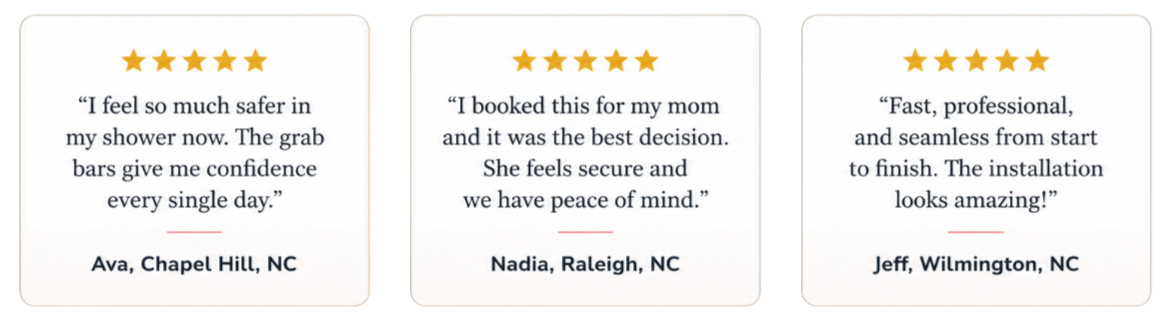
See what homeowners, adult children, and caregivers say about working with us at A1 Grab Bar Installers.
WHY WE EXIST
Helping People Remain Safer and More Independent at Home Longer

“While grab bar installation is usually just ‘another thing’ others do - grab bar installation is the first thing we do!”
A1 Grab Bar Installers was created around a simple belief: people should not have to give up their privacy, confidence, or independence because everyday movements at home have become more difficult.
We specialize in professionally installed grab bars because proper support can make an immediate difference without requiring a complete bathroom remodel. Our goal is to help homeowners, families, and caregivers make practical improvements that support safer movement and aging in place.

Frequently Asked Grab Bar Questions

-
A professional grab bar installer is the best choice for seniors because placement and mounting both matter. A handyman may be able to screw a bar into a wall, but senior safety requires more than that. The installer should understand bathroom surfaces, stud finding, specialty anchors, fall-risk areas, shower entry points, toilet transfers, and caregiver access. The goal is not just installing hardware. The goal is creating safer movement through the bathroom. We provide local grab bar installation with placement guidance, secure mounting, and clear recommendations based on the home and the person using it.
-
The cost depends on how: 1) many grab bars you need, 2) the wall type, 3) the bar style, and 4) whether special anchors are required. A single standard 16” grab bar into drywall with studs will cost less than a multi-bar shower, toilet, or tub safety setup. Fiberglass, acrylic, tile, drywall, and stone all require different methods for proper, ADA-compliant, permanent attachment. Our estimates are designed to capture: 1) where do you need support, 2) how many bars do you need?, 3) what wall system are we mounting into, and 4) what style of grab bars would you like? Contact us to schedule an easy assessment and we will guide you to the best setup for your needs and budget.
-
Sometimes, but it depends on your insurance plan, medical need, and documentation. Many health insurance plans do not automatically cover grab bars because they may be considered a home modification instead of traditional medical equipment. The most common first step is to contact us to request an "itemized estimate with procedure codes" and then contact your provider and ask for a SBC (Summary of Benefits and Coverage) check using the provided estimate from us. We provide clear documentation so you can ask the right coverage questions from your provider the first time.
-
Original Medicare usually does not pay for grab bars installed in the home. Medicare Part B covers certain durable medical equipment when medically necessary, but grab bars are commonly treated as bathroom safety modifications rather than covered DME (Durable medical equipment). Some Medicare Advantage plans may offer extra benefits that Original Medicare does not, so it is still worth checking your specific plan. A doctor, discharge planner, or occupational therapist may also help document the need. We recommend starting with a professional assessment with us and an itemized estimate with procedure codes so you know what to ask your plan representative when checking with them.
-
Medicaid may help pay for grab bars in certain situations, especially through home and community-based programs designed to help someone remain safely at home. In North Carolina, some waiver programs include home accessibility adaptations, and policy materials specifically reference handrails and grab bars for the home. Approval usually depends on eligibility, medical necessity, care planning, and prior authorization. Medicaid coverage is not the same for every person, so the next step is to confirm the program you are enrolled in. As a Registered Provider to Medicaid, we can help provide a written quote that makes it easier to start that conversation.
-
A grab bar placement assessment usually takes 15–30 minutes. We can often start by phone, photos, or video, and an in-home assessment also typically takes about 20 minutes. During the assessment, we focus primarily on the bathroom and wet areas, including the shower, tub, toilet area, and entry points. Upon request, we can also look at other areas of the home. We consider the person’s height, reach, balance, mobility devices, shower routine, toilet transfers, and caregiver needs. The assessment is free, and we can usually provide a same-day recommendation and cost estimate.
-
Most grab bar installations are completed in one visit. A simple installation is usually scheduled in a 2-hour window, while a typical 3–4 grab bar bathroom setup is usually scheduled in a 4-hour window. The exact time depends on the wall surface and structure, including tile, fiberglass, acrylic, drywall, stone, studs, or blocking. When possible, we can complete a same-day assessment and installation using in-stock grab bars. Our process includes scanning the wall, confirming placement, drilling, mounting, sealing, testing, and cleaning up. Installed grab bars can typically be used within 4 hours after completion.
-
Yes, grab bars can often be installed in fiberglass or acrylic showers, but they must be installed correctly. These surrounds usually have hollow space behind them, so we cannot treat them like tile over solid backing. Our installer needs to identify framing, backing, wall depth, flex, and the safest mounting method. Some installations require specialty anchors designed for fiberglass or hollow-wall conditions. This is not the place for guesswork or a “just screw it in” approach. We inspect the wall, locate support, and recommend the safest option for that specific shower.
-
Yes, grab bars can be installed on many surfaces, including tile, drywall, fiberglass, acrylic, stone, and other wall systems. The installation method changes depending on what is behind the surface. Tile may require careful drilling and proper anchors. Drywall may need studs, blocking, or rated mounting hardware. Fiberglass and acrylic may require specialty fasteners because of hollow space behind the surround. The visible wall surface is only half the story. What matters most is what the bar is fastened into. We evaluate the surface and structure before recommending the safest installation method.
-
No. While studs are preferred because by default they provide a strong structural support and do not require additional labor and specialty anchors costs - they are not always located exactly where you need the grab bar. A properly located bar should be placed where you naturally reach, step, sit, stand, or turn. If the best safety location does not line up with studs, we use approved specialty anchors or other secure mounting methods depending on the wall system. The goal is not just “hit a stud.” The goal is proper placement and secure mounting based on the user. We check both before recommending the final location.
-
Yes, in many cases grab bars can be installed without direct stud mounting, but only with the right wall system and the correct anchoring method. Tile, fiberglass, acrylic, drywall, and masonry all behave differently. Some walls can safely accept specialty grab bar anchors; others may need backing, different placement, or another support solution. This is why suction bars and random hardware-store anchors can be risky. The wall has to be evaluated before anyone can suggest a sturdy result. We scan, inspect, and match the mounting method to the wall instead of forcing a one-size-fits-all installation.
-
The safest grab bar is one that is properly rated, securely mounted, easy to grip, and placed where the person actually needs support. Stainless steel, textured, non-slip, or comfort-grip bars are common choices. The safest option also depends on hand strength, balance, height, shower layout, toilet position, and whether the person uses a walker, cane, shower chair, or caregiver assistance. A beautiful bar in the wrong location is just wall jewelry. We help choose the right size, finish, angle, and placement so the grab bar works in real life.
-
Most showers benefit from more than one grab bar. A common setup includes one bar near the shower entrance, one along the main wall, and one near the control or standing area. Some people need two bars; others need three or more depending on balance, mobility, shower size, and how they enter, turn, wash, and exit. A shower chair may change the layout. So can caregiver assistance. The right number is not based on guesswork. It is based on movement. During out Safety Assesment, we look at how the person uses the shower and build the support around that.
-
Suction cup grab bars should not be trusted as a primary fall-prevention device over the long-term. They may help someone feel oriented or provide very light balance assistance, but they can loosen without warning due to moisture, soap residue, textured surfaces, grout lines, or age of the suction pads. They are not the same as a permanently mounted grab bar. If someone is using a suction bar because they are afraid of falling, that is the signal to install a real grab bar. We can help replace temporary “hope it holds” support with a permanent sturdy grab bar.
-
Pressure-mounted or tension poles can be useful in certain rooms, but they are not automatically safe for every bathroom or every user. Their safety depends on the ceiling, floor, placement, friction, user strength, direction of force, and whether the person pulls, pushes, or leans on it. In wet areas, movement and slipping become bigger concerns. They can be a temporary solution, but they should not be assumed to replace properly mounted grab bars in a shower or tub. We can help decide whether a tension option makes sense or whether fixed grab bars are safer.
-
Grab bar height depends on the user, the space, and the purpose of the bar. ADA standards often place horizontal grab bars around 33 to 36 inches above the finished floor, but private homes should also account for the person’s height, reach, balance, shower chair use, toilet height, and transfer pattern. A vertical entry bar may be placed differently than a horizontal wall bar. The right height is where the hand naturally goes when the person needs support. We measure the person, the bathroom, and the movement pattern before taking action.
-
Grab bars work best when they are part of a complete bathroom safety setup, not just one random bar on the wall. Our team can install helpful add-ons such as fold-down shower seats, handheld shower heads with slide bars, non-slip treatments, toilet safety rails, raised toilet seats, lever door handles, shower caddies, curtain-to-door changes, and transfer benches. We do not recommend extras just to upsell. We recommend them when they solve a real movement problem, such as sitting safely, reaching water controls, stepping over a threshold, or transferring from the toilet. During your assessment, we can identify what helps most.